
If you're facing a dull throb that's been building for days, we check who's actually open in Grimes, IA right now for this exact procedure — not just listed online.
One call tells you exactly when and where you can be seen for this.
+1-866-227-2801
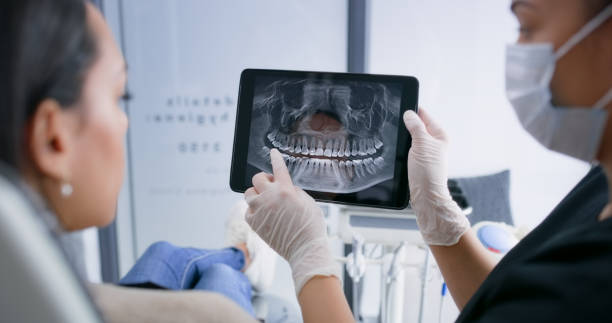
A root canal becomes necessary when the pulp inside a tooth — nerves and blood vessels — becomes infected or inflamed, usually from deep decay or a crack reaching the interior. The procedure removes that infected tissue, cleans and shapes the canal system, then seals it against reinfection. Despite the reputation, most patients describe it as feeling similar to getting a routine filling.
Modern rotary instruments and electronic apex locators let a specialist clean the canal system with more precision than in the past. A crown is usually needed afterward since a treated tooth becomes more brittle under normal chewing force.
A tooth that's had a root canal no longer has a living nerve inside, which is part of why it can survive without the throbbing pain that brought you in. That's also why a treated tooth won't register hot or cold sensitivity the way it used to — the nerve that felt that is gone.
Curved or calcified canal anatomy is routed to a specialist with focused endodontic training.
Electronic measurement pinpoints exact canal length, cutting down on repeat X-rays.
Same-visit completion is common for teeth without complicating anatomy or infection.
Most patients compare recovery to a filling, not the pain that brought them in.
Our network specialists cover the full range of this procedure, from the routine case to the complicated one.
The core procedure for saving a tooth with infected or dying nerve tissue.
Addresses canals that were missed or incompletely sealed the first time.
Back-tooth cases get extra imaging and time given the added anatomical complexity.
{Protects the now-brittle tooth from fracturing under normal bite force.|Restores full chewing function after canal treatment is complete.}

Acute cases are prioritized to relieve pain and stop the infection from spreading.
A minor surgical option when infection persists at the root tip after standard treatment.
A coordinator answers and asks a few quick questions about your specific case and how urgent it is.
We match you with a nearby specialist experienced in this exact procedure and check real-time openings.
You get a clear explanation of the treatment plan and its cost before any work begins.
You leave with the issue addressed and next steps already scheduled if needed.
"Called and they were upfront that my usual office was booked, then found me somewhere open the same week."
"Didn't have to wait weeks like my old dentist. Got routed straight to a specialist who knew what to do."
"No upsells, no pressure. Just the treatment I needed at the price I was told upfront."
It's done under local anesthesia, and most patients say it feels similar to a routine filling.
Straightforward cases are often done in one visit; complex ones may need two.
A crown is typically recommended to protect against fracturing under normal chewing.
Untreated infection can spread to the jawbone, and the tooth is often eventually lost.
Occasionally, which is treated with a retreatment procedure to reclean the canal.
Pricing depends on canal count, confirmed before treatment begins.
Our coverage spans Grimes and its surrounding area, matching you with the closest available specialist who's actually open.
Licensed to practice in IA, verified before referral.
A short call is all it takes to get this on the calendar this week.
Call +1-866-227-2801 Now